
WHEN DIFFERENCE FEELS LIKE A FAILURE
Neurodivergence therapy in NYC for less masking.
You may have spent years wondering why things that seem easy for other people require so much effort from you. Maybe you struggle with organization, transitions, sensory overwhelm, emotional regulation, social expectations, or maintaining routines. Maybe you’re exhausted from trying to appear more organized, focused, calm, or “normal” than you actually feel. Therapy for neurodivergence in NYC can offer a space to understand yourself with more compassion, work with your brain instead of against it, and let go of the pressure to constantly adapt.
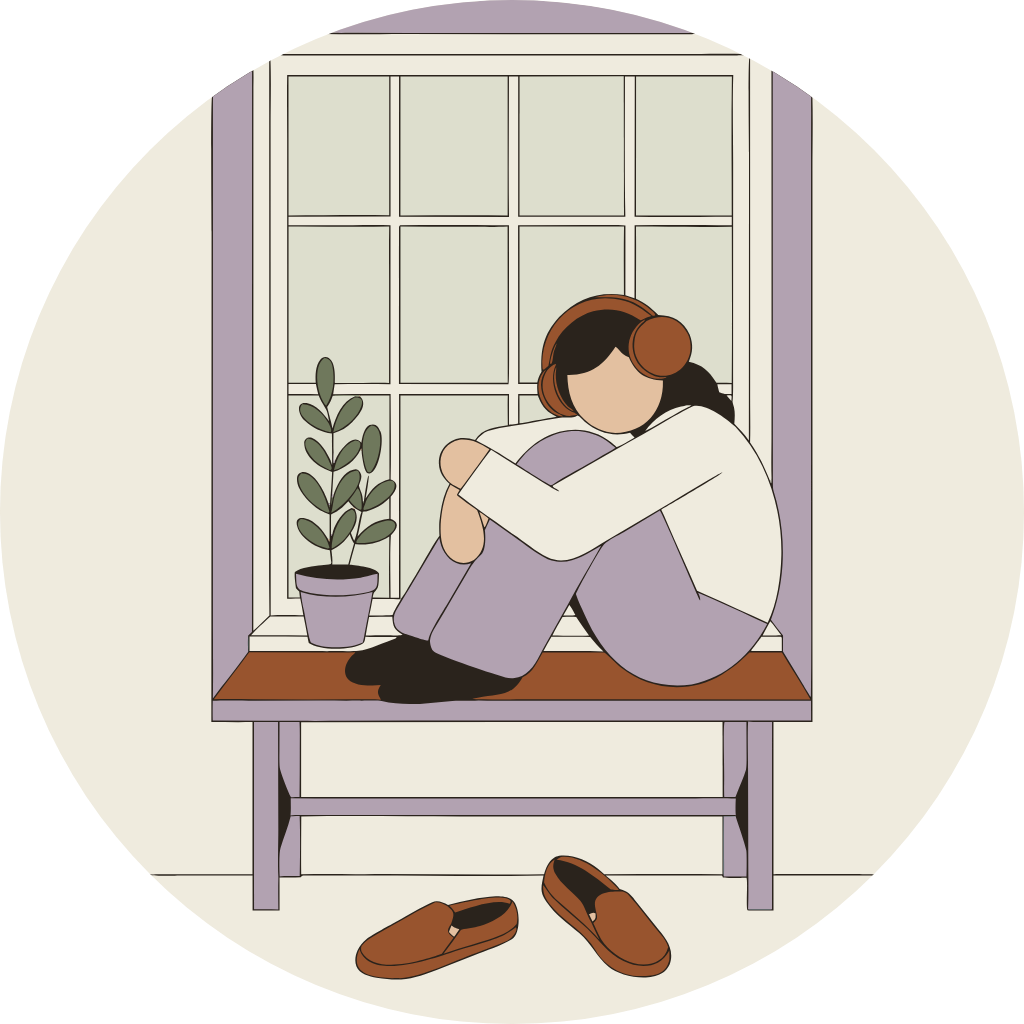
For those that learned to hide the struggle.
You’ve spent years adapting, masking, or feeling like you’re too much or not enough. Let’s work to build self-understanding, reduce burnout, and find ways of living that fit you.
Making room for how your brain works.
Neurodivergent affirming therapy can help you separate genuine difficulties from years of shame and criticism, understand how your brain works, and find ways of functioning that don’t require constantly fighting yourself.
When holding it together takes everything you have.
You may look like you’re managing just fine while privately working twice as hard to keep up. You remember the meeting, but forget to eat. You finish the project, but only after days of avoidance, panic, and a last-minute surge of focus. You can be deeply capable and still struggle to start, shift gears, prioritize, or follow through.
For some people, neurodivergence has meant becoming exceptionally good at compensating. You may over-prepare, rehearse conversations, monitor your facial expressions, copy how other people communicate, or push yourself past exhaustion because slowing down feels like falling behind. If you have ADHD, you may know exactly what needs to happen and still find yourself unable to make your body begin. If you have autism, you may have learned to closely observe other people and consciously figure out social rules that seem to come naturally to everyone else.
Over time, these patterns can become more than frustrating. They can shape how you see yourself. Maybe you call yourself lazy, scattered, sensitive, difficult, unreliable, or inconsistent. Therapy offers a place to question those conclusions without pretending that challenges do not exist.

Your body knows when you’ve been performing.
Masking is not only something that happens in your thoughts. It can become a physical habit. Your shoulders stay lifted. Your jaw clenches. You scan the room before speaking. You hold your breath while trying to concentrate. You notice every sound, expression, pause, or change in someone’s tone.
You may not realize how much energy this takes until your body finally stops cooperating. You crash after social plans. You need hours alone after a busy day. Small requests suddenly feel impossible. A change in plans sends your whole system into overdrive. You might feel irritable, numb, restless, flooded, or completely depleted.
For someone with autism, masking can include suppressing natural movements, forcing eye contact, hiding sensory discomfort, rehearsing conversations, or trying to appear more socially comfortable than you actually feel. For someone with ADHD, masking may look like overcompensating for forgetfulness, disorganization, impulsivity, or difficulty sustaining attention. The details may look different, but the exhaustion of constantly monitoring yourself can be profound.
Somatic therapy creates space to notice these patterns as they happen rather than treating them as personal failures. Together, we can slow down enough to recognize what your body is communicating, experiment with different ways of responding, and build more room between an automatic reaction and what you actually want.
Making space for the ways you actually work.
The goal of neurodivergence therapy in NYC is not to teach you how to hide neurodivergence more effectively. It is to help you understand what you need and make choices that are more sustainable.
That might mean finding ways to work with your attention instead of forcing yourself into systems that repeatedly fail you. It might mean changing how you approach routines, transitions, rest, communication, or sensory needs. It might mean learning to recognize when you are approaching overload before you are already completely spent.
We can also explore the beliefs underneath your coping strategies. What happens when you disappoint someone? What does your body expect when you say no? What makes asking for help feel uncomfortable? When did being easy, productive, agreeable, or self-sufficient become tied to your sense of worth?
This work is experiential. Rather than only talking about why you respond the way you do, we can pay attention to what happens in the room as you practice something different. You might notice the impulse to apologize before you have done anything wrong, the urge to explain yourself, or the tension that appears when you take up space. Those moments can become opportunities to try something new while staying connected to yourself.
A different relationship with ADHD and neurodivergence.
If you have ADHD, you may have spent years hearing that you need to try harder, get organized, pay attention, or become more disciplined. You may have internalized the idea that your difficulties are character flaws rather than differences in how attention, motivation, emotion, and energy move through your life.
If you have autism, you may have spent years being told that you’re too sensitive, too rigid, too intense, too quiet, too blunt, or somehow doing social interaction “wrong.” You may have become skilled at studying other people and adjusting yourself accordingly, while losing track of what actually feels natural or comfortable for you.
Therapy for neurodivergence can help you develop a more accurate and compassionate understanding of your patterns. We can make room for the parts of you that are frustrated, ambitious, overwhelmed, creative, impulsive, exhausted, sensitive, or deeply invested in doing things well. Instead of demanding that every part of you operate the same way, we can get curious about what helps you function and what leaves you depleted.
Neurodivergence does not have to be treated as a problem to eliminate. At the same time, accepting yourself does not mean resigning yourself to burnout, missed needs, or relationships that feel one-sided. There is room for both self-acceptance and change.
Have more room to be yourself with neurodivergence therapy in NYC.
Therapy for neurodivergence and masking can be a place to put down some of the constant monitoring and begin noticing what is actually true for you. What feels good? What feels draining? What do you need more of? What have you been doing because it works for you, and what have you been doing because you learned that it was what a “good” person was supposed to do?
Over time, the work can help you recognize your limits sooner, communicate your needs more directly, recover from overwhelm with less shame, and build routines that support your actual life. You may begin to trust your own experience without needing someone else to confirm that it is valid.
You do not have to become less sensitive, less intense, less curious, or more polished to deserve a life that works. Neurodivergent therapy in NYC can help you move from constantly managing how you appear to having more freedom to decide how you want to live, relate, work, rest, and show up as yourself, with more choice, flexibility, and genuine connection.
Ready when you are.
Email me to get started or request a free 15‑minute consultation if you’d like to talk first.
I read and answer every message myself.