
WHEN CAPABLE ISN’T SUSTAINABLE
Burnout and high functioning therapy in Brooklyn.
You’re tired, but resting doesn’t seem to fix it. You may be exhausted from work, relationships, caregiving, masking, constantly managing yourself, or simply trying to keep up with everything expected of you. If you’re looking for burnout therapy in Brooklyn, we can explore what’s keeping you stuck in survival mode and what it might look like to slow down, reconnect with yourself, and feel more like you again.
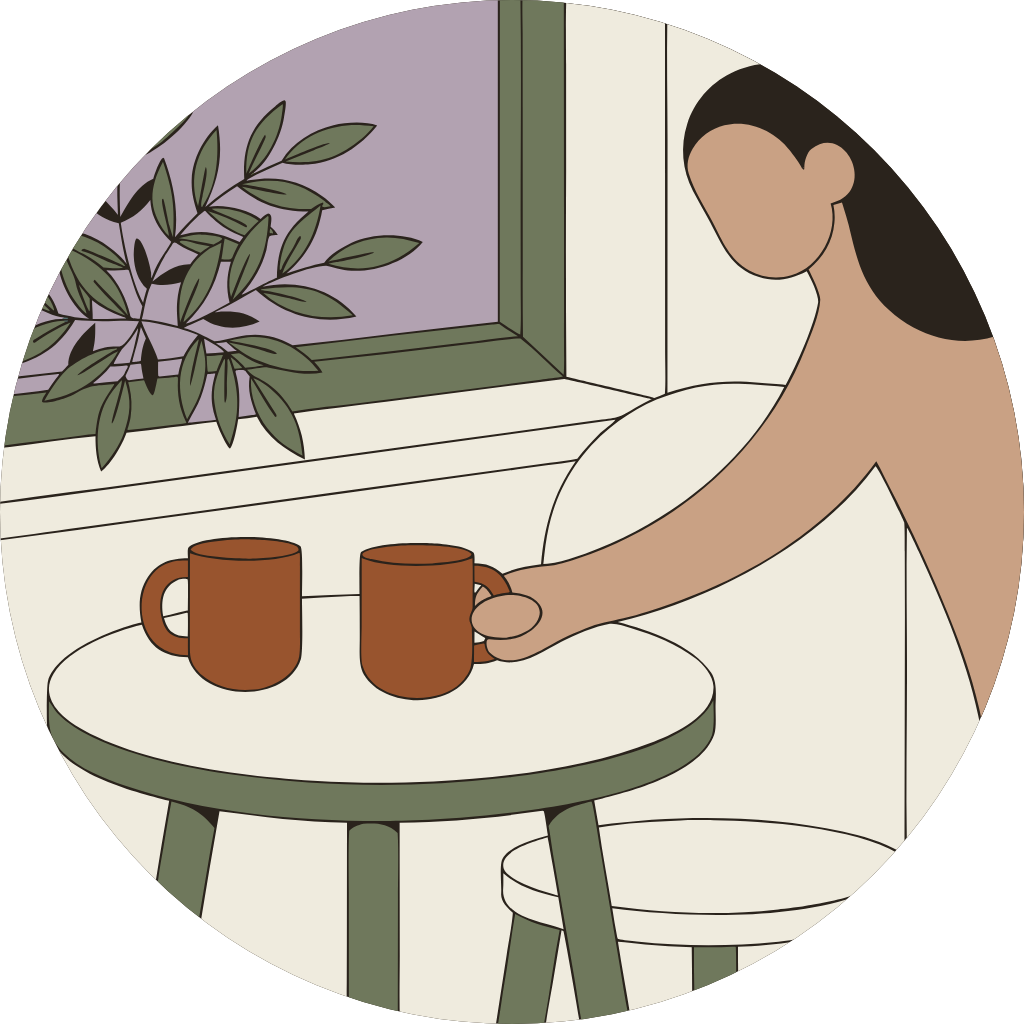
Making room beyond achievement.
You’re good at pushing through, but constantly holding everything together is exhausting. Slow down, reconnect with what you need, and build a life beyond constant productivity.
You were never meant to run on empty.
Burnout therapy can help you look honestly at what is draining you, what you’ve been carrying, and what would actually need to change, not just how to become better at tolerating too much.
When being capable starts to cost too much.
Burnout does not always look like falling apart. Sometimes it looks like continuing to perform while feeling increasingly disconnected from yourself.
You may still be getting things done, showing up for work, answering messages, caring for other people, and meeting expectations. From the outside, you might look like you are handling everything. Inside, though, you may feel exhausted, irritable, numb, scattered, or like you are running on fumes.
You might find yourself thinking, Why am I so tired? I should be able to handle this. Or maybe you have become so accustomed to functioning under pressure that you are not sure what it would even feel like to stop.
For many high-functioning or “overfunctioning” people, burnout develops slowly. You adapt. You compensate. You become more efficient. You make another list, push through another deadline, stay up a little later, cancel the thing you wanted to do, or tell yourself you will rest once everything is finally under control.
But there is always something else to do.
Eventually, the strategies that helped you succeed can start working against you. Productivity becomes a way of managing anxiety. Achievement becomes tied to your sense of worth. Rest starts to feel uncomfortable, undeserved, or even impossible.
Burnout is not a personal failure. It can be a sign that your body and your life have been asking for something different for a long time.
The physical cost of always pushing through.

Burnout is more than feeling mentally tired. It can change the way you experience your entire body and your capacity to move through everyday life.
You may notice that you are tired but unable to fully relax, constantly anticipating what needs to happen next. Your shoulders may stay tense. Your jaw may clench. Your breathing may become shallow. You may feel restless when you try to sit still, or strangely flat when something you once enjoyed no longer feels rewarding.
Sometimes burnout looks like having very little capacity left for anything that is not urgent.
You get home from work and cannot imagine cooking, exercising, socializing, or answering a text. A simple decision feels overwhelming. You want time alone, but then feel guilty for withdrawing. You finally have a free weekend and realize you do not know how to use it.
This can create a frustrating cycle: you are exhausted because you have been doing too much, but slowing down brings up discomfort that makes it hard to actually rest.
Burnout therapy in Brooklyn can offer a place to notice these patterns as they happen, rather than only talking about them intellectually. We can pay attention to what happens in your body when you anticipate disappointing someone, make a mistake, slow down, or consider doing less.
You do not have to force yourself into relaxation. Instead, we can become curious about what your body has learned to do in order to keep you moving.
The pressure underneath productivity.
Sometimes burnout is not only about having too much on your plate. It is also about what you believe will happen if you stop carrying it all.
Maybe you learned early that being responsible earned approval, while having needs felt inconvenient. Maybe you became the dependable one because other people were not always dependable. Maybe being accomplished gave you a sense of belonging or control. Maybe you learned to anticipate problems before anyone else noticed them.
Over time, these patterns can become so automatic that it is difficult to tell the difference between something you genuinely want to do and something you feel compelled to do.
You may say yes before checking whether you have the capacity. You may keep working long after your body is telling you to stop. You may feel responsible for other people's emotions, even when no one has asked you to take them on.
High functioning can become a form of self-abandonment when your ability to cope depends on continually overriding yourself.
Therapy can help you slow down enough to recognize the moment you leave yourself out of the equation. What happens when you notice you are tired but keep going? What do you feel when someone is disappointed with you? What makes rest feel difficult? What would you choose if you were not organizing your life around avoiding failure, conflict, or letting someone down?
These questions are not about blaming you for how you have learned to function. They are about understanding the strategies that once helped you and deciding whether they still belong in your life.
Learning to listen before you reach your limit.
Healing from burnout is not simply about becoming more disciplined about self-care. You do not need another productivity system for managing your exhaustion.
It may be more useful to develop a different relationship with your own limits.
That can mean learning to notice earlier signs of depletion instead of waiting until you have nothing left. It can mean practicing saying no before resentment builds. It can mean allowing something to be good enough instead of endlessly refining it. It can mean making room for pleasure, creativity, relationships, and rest without requiring them to be productive.
With burnout therapy in Brooklyn, we can explore what happens when you make these changes in real time. You may notice guilt when you set a boundary, anxiety when you leave something unfinished, or an urge to immediately fill an empty space with another task.
Those reactions are not evidence that you are doing something wrong. They are information.
Rather than pushing past them, we can slow down and get curious about what they are trying to protect. Over time, this can create more choice. You can begin responding to yourself instead of automatically overriding yourself.
Making space for a life beyond exhaustion with burnout therapy in Brooklyn.
You deserve more than a life organized around how much you can accomplish.
Therapy can help you reconnect with the parts of yourself that become harder to access when life is dominated by pressure and performance. What do you actually want? What feels meaningful? What gives you energy? What kind of pace allows you to feel like yourself?
We can work toward a life where rest does not have to be earned, boundaries do not require an apology, and your worth is not measured by how much you can carry.
The goal is not to stop being capable or ambitious. It is to build a way of living where your strengths do not require you to disappear inside them.
Burnout can be a turning point. Not because you failed to keep up, but because something in you is asking to be heard.
Therapy offers space to listen.
Ready when you are.
Email me to get started or request a free 15‑minute consultation if you’d like to talk first.
I read and answer every message myself.